How Site Conversion Rate Optimization Generates Sales Expansion
What conversion optimization means for revenue growth
conversion optimization is the method of improving a webpage so more of website visitors complete the actions that count most to the business. Those actions may include lead forms, phone calls, demo requests, purchases, or booked appointments. When the conversion rate rises, the same amount of traffic produces more leads and more customers, which directly supports sales growth.
For many businesses, the challenge is not attracting people to the site. It is converting interest into action. A site may have strong organic traffic, solid paid traffic, and active social campaigns, but still overlook opportunities because the user journey is unclear. CRO concentrates on the entire experience, from first click to final submit, so every page supports engagement and moves visitors toward the next step in the sales funnel.
Good CRO is not about guessing. It uses analytics, conversion tracking, heatmaps, and user behavior analysis to determine where people drop off and why. It often boosts micro-conversions first, such as button clicks, video views, or partial form starts, because those signals reveal buyer intent before a final conversion happens. Over time, those improvements lift lead volume, strengthen lead quality, and create measurable revenue growth.
Why Syracuse, NY businesses must have CRO today
Syracuse, NY is a crowded market for local service businesses and B2B organizations, and that makes conversion rate optimization more important than ever. Prospects in this region often review several providers before contacting a business, which means your website has only a short window to build trust and generate interest. In a market shaped by local market competition, small improvements in conversion can deliver a real benefit.
For upstate New York businesses, CRO also has to reflect regional behavior. Seasonal weather shifts, winter-driven urgency, back-to-school timing, and fiscal-year planning can all shape when people browse, request quotes, or schedule services. If your site does not align with those patterns with relevant offers and clear messaging, visitors may move on and choose a competitor with stronger alignment to their immediate needs.
Customer behavior in Syracuse and surrounding communities is also shaped by convenience. Many prospects want fast answers, visible contact options, and proof that a company serves both downtown and the broader Central New York area. That means your website should support local trust, mobile usability, and quick decision-making. CRO helps make sure the site matches those expectations at the exact moment buyers are ready to act.
Why does web design affect conversions
Web design is one of the biggest factors in conversion performance because it shapes how people feel about your brand and how easily they can move through the site. Strong design supports user experience (UX) by removing friction, simplifying messages, and guiding attention toward the most important action. Weak design does the opposite by introducing confusion, distraction, and hesitation.
Mobile-first design is particularly important because many website visitors in Syracuse, NY and across Central New York will browse on phones while commuting, comparing vendors, or checking services during the workday. If a page is hard to read, buttons are too small, or forms are hard to complete on mobile, the conversion rate drops quickly. Responsive layouts, thumb-friendly navigation, and simple page structures all help improve engagement and session duration.
Landing page optimization is an important factor. A landing page should match the search or ad message, answer buyer objections, and offer one clear path forward. Too many links, cluttered visuals, or competing CTAs reduce focus. The best landing pages support the user journey and support a specific outcome such as a consultation, estimate, or download. When design, copy, and intent match, the page is far more likely to generate qualified leads.
Search engine optimization services that drive qualified traffic
Even the best conversion system cannot work properly without the right audience. That is why SEO services form a core part of CRO. Search optimization increases search visibility and improves organic rankings, helping the site draw in visitors who are already searching for solutions. The goal is not just more traffic, but higher-quality traffic with stronger buyer intent.
Effective SEO starts with keyword intent. Informational searches, local service searches, and commercial comparisons each signal a different stage of the buying process. When content matches intent, it attracts more qualified visitors and improves the chances of conversion. This is especially valuable for businesses trying to balance awareness content with bottom-of-funnel pages that support lead generation.
High-quality SEO also improves the full experience around the visit. Better page structure, clearer metadata, stronger internal linking, and relevant local content all support both search performance and usability. In practice, this means SEO services should work hand in hand with web design and CRO. When organic traffic is built on the right topics and landing pages, it becomes easier to turn visitors into form submissions, calls, and booked appointments.
Digital marketing tactics that boost conversion
Digital marketing strengthens CRO by creating more entry points into the sales funnel and returning visitors who were not ready to convert on the first visit. Each channel perform different jobs, but they work best when synchronized around the same conversion goals. That alignment helps businesses develop a smoother path from interest to action.
Paid search is one of the most direct ways to attract high-intent traffic. These visitors often have strong buyer intent, which means landing page quality and message match matter even more. If ad copy promises one thing and the page delivers another, the click-through rate may be fine, but conversions will lag. Strong paid traffic campaigns should route users to focused pages designed to narrow the gap between interest and response.
Email marketing helps nurture visitors who are not ready to buy immediately. It keeps your brand in front of prospects, supports education, and reinforces trust indicators over time. https://blogfreely.net/jakleyvigi/how-regularly-should-you-revise-website-content-for-search-engine-optimization Retargeting is equally important because many website visitors need multiple touchpoints before they convert. By showing relevant offers or reminders after they leave, retargeting helps recover lost opportunities and increases overall conversion efficiency.
How AI experts improve test optimization and customization
AI experts apply advanced methods to CRO by enabling testing faster, insights more detailed, and site experiences more relevant. Rather than relying only on general best practices, AI can help examine performance data, identify patterns in user behavior, and determine which segments react best to specific offers. This keeps optimization more accurate and more scalable.
A/B testing remains one of the most valuable CRO methods, and AI can help prioritize what to test first. For example, it may show which headlines, page layouts, CTAs, or form lengths are most likely to affect conversion rate. Combined with heatmaps, session recordings, and analytics, this provides a clearer picture of where users lose focus and where small changes can generate better results.
Personalization is another major strength. A returning visitor, a first-time local prospect, and a mobile user from a paid search campaign may all need different information to move forward. AI-driven personalization can tailor content, offers, or recommendations based on behavior and predicted next steps. When done well, it boosts engagement, increases trust, and supports more efficient revenue growth across the sales funnel.
Essential conversion factors for review on your page
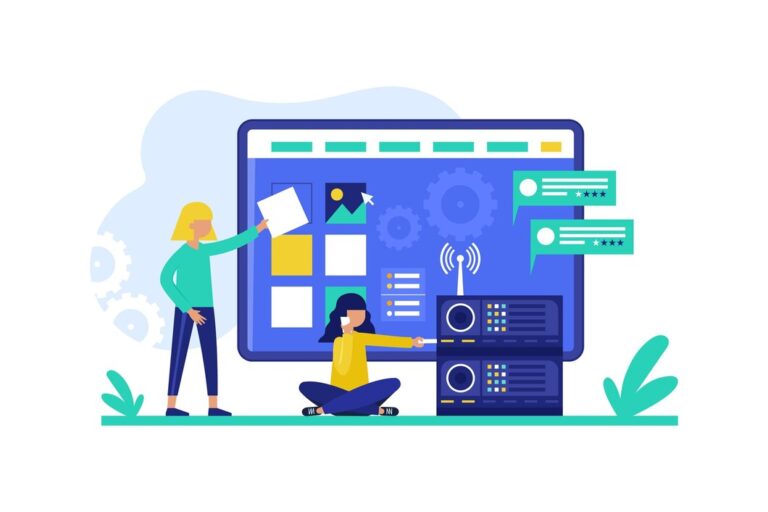
Each website has some fundamental sections that can shape performance. A thorough CRO audit should start with the call-to-action (CTA). CTAs need to be prominent, clear, and matched with the user’s point in the process. Generic phrases often underperform because they do not show value. Better CTAs highlight the outcome, such as requesting a quote, setting up a call, or asking for a custom plan.
Forms are a further common friction point. If the form is too extended, too complicated, or asks for unnecessary information, fewer people will submit it. Cutting fields, clarifying labels, and offering clear reassurance can improve form completions without sacrificing lead quality. It also helps to check the form on mobile, where a poor layout can quickly stop the signup process.
Page speed matters because slow pages interrupt the user journey and increase bounce rate. Visitors expect pages to open fast, especially on mobile connections. Speed issues often affect both search visibility and user behavior, so improving load performance can help both SEO and CRO at once. Finally, trust signals such as testimonials, reviews, certifications, recognizable partnerships, and local proof can lower resistance and increase confidence when users are deciding whether to contact your business.
Nearby evidence from Syracuse and Central New York
Nearby validation can make a big difference in sales performance, especially in a market like Syracuse, NY. Customers often want to know that a business knows the region, supports nearby communities, and has experience with local needs. Highlighting work in Downtown Syracuse, neighboring suburbs, and nearby towns can make a site feel more credible and more relevant to real customers across Central New York.
Syracuse University also influences the local market in meaningful ways. It helps shape talent, innovation, and audience demographics, which can affect everything from digital marketing preferences to the types of services people search for. Businesses that understand this environment can tailor messaging to students, faculty, professionals, and local families while building stronger trust with different segments.
Local content should also reflect local customer demand. For example, some services see stronger interest during seasonal transitions, winter preparation periods, or back-to-school cycles in upstate New York. By aligning offers, landing pages, and campaign timing with those patterns, businesses can improve response rates and support better conversion outcomes throughout the year.
How to track CRO success
Tracking CRO success requires more than watching traffic numbers. The right analytics setup should show what people do after they arrive, how long they stay, and where they drop off. Conversion tracking should be configured for all important actions, including calls, form fills, chat starts, downloads, and purchases. Without accurate tracking, it is impossible to know whether optimization efforts are actually improving results.
One of the most useful metrics is bounce rate, because it helps reveal whether visitors are leaving before engaging. A high bounce rate may indicate a mismatch between the message and the landing page, poor usability, weak page speed, or low relevance to search intent. Another helpful metric is revenue per visitor, which connects traffic quality and conversion performance to actual business outcomes.

It is also important to monitor the full set of performance data, including click-through rate, session duration, engagement by device, and lead quality. A campaign can generate many leads but still fail if they do not turn into sales. CRO success is ultimately about optimizing the combination of traffic quality, user experience, and sales funnel efficiency so the business earns more from the same audience.
A practical CRO roadmap for small businesses
An effective CRO program starts with a conversion audit. This review should cover the homepage, service pages, landing pages, forms, CTAs, page speed, trust signals, and analytics setup. The goal is to find where friction exists and where the site is losing qualified leads. Small businesses often discover that the best results come from correcting easy issues rather than redesigning the entire site.
Next comes the testing roadmap. Prioritize changes that are likely to impact the conversion rate the most, such as CTA placement, headline clarity, form length, or mobile navigation. Use A/B testing to compare versions and measure the impact on conversion tracking, lead generation, and revenue growth. Each test should have a specific hypothesis tied to buyer behavior, not just design preference.
Then connect optimization to the full sales funnel. That means building traffic through SEO services, supporting demand with digital marketing, and using personalization to guide different visitors toward the right offer. It also means aligning web design, content, and messaging so each page serves a purpose. When small businesses in Syracuse, NY and across Central New York treat CRO as an ongoing growth system, they create a repeatable path to more leads, better sales, and stronger long-term sales growth.
Sunstone Digital Tech201 E Jefferson St, Syracuse, NY 13202
(315) 758-3349
https://maps.app.goo.gl/LNcnKZaUXSqxHPoT8
https://sunstonedigitaltech.com/
43.0471862, -76.1504376
FAQ
What is website conversion rate optimization for sales growth?
Website conversion rate optimization is the process of improving a website so more visitors take valuable actions such as filling out a form, calling, or making a purchase. For sales growth, CRO helps convert existing website visitors into qualified leads and customers without requiring more traffic. It improves the conversion rate, strengthens the sales funnel, and increases revenue from the same audience.
In what way do web design and UX boost conversions?
Web design and user experience (UX) boost conversions by making the site easier to use, more straightforward to trust, and more intuitive to navigate. Well-structured layouts, mobile-first design, focused landing pages, and strong call-to-action (CTA) placement minimize friction and lead visitors toward the next step. Better UX also supports engagement, session duration, and form submissions.
Why do people consider SEO services important for CRO in Syracuse, NY?
SEO services are important because they bring more qualified traffic from people already searching with buyer intent. In Syracuse, NY, local search visibility can be a significant advantage in a competitive market. When SEO is aligned with CRO, the site attracts visitors who are more likely to convert, which enhances both lead quality and search rankings over time.
How can AI experts help optimize a website for more sales?
AI experts can help review performance data, detect user behavior patterns, and improve A/B testing decisions. They can also support personalization by adapting content and offers to different visitor segments. This makes it easier to improve conversion tracking, reduce bounce rate, and guide more users through the sales funnel.
What metrics should I track to measure CRO results?
Track conversion tracking data, bounce rate, revenue per visitor, click-through rate, session duration, form submissions, and lead quality. It is also helpful to monitor organic traffic, paid traffic, and the performance of different landing pages. These metrics show whether your CRO efforts are improving engagement and producing real revenue growth.